Is Too Much Baby Gear Harming Your Baby?
Is Too Much Baby Gear Harming Your Baby?
A Pediatric PT Break Down On Container Baby Syndrome
- What Is Container Baby Syndrome?
- An Overview & The Risks Associated with Excessive Use of Baby Containers
- Historical Context and The Rise of Container Use
- Practical Tips for Safe Use of Baby Gear – When & How to Use Baby Containers Appropriately
- The Baby Containers I Recommend & Alternatives to Prolonged Container Use
- Baby Container Use & Daycare
What Is Container Baby Syndrome?
The use of baby containers & container baby syndrome can be a very controversial topic in parenting, especially amongst professionals. And as both a parent AND professional, I certainly have my own opinions on it – so let’s unpack it all and dig into all things baby containers, shall we!
An Overview & The Risks Associated with Excessive Use of Baby Containers
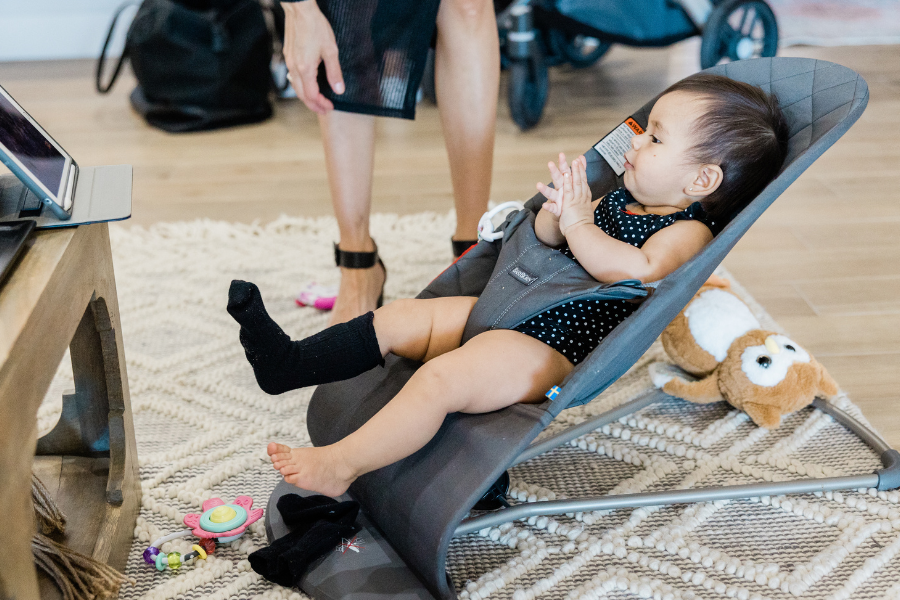
Container baby syndrome (CBS) is an overarching term for a variety of developmental issues that can occur as a result of an infant spending an excessive amount of time in baby ‘containers’. The developmental concerns associated with Container Baby Syndrome can include motor delays, social-emotional & cognitive delays, and can even result in the development of skull & facial deformities due to abnormal, prolonged forces on an infant’s developing body when they are strapped in with limited voluntary movement to adjust themselves. These can include torticollis, the development of flat spots on the skull & even subsequent facial asymmetries due to flattening. To learn more about flat spots, check out THIS blog.
Baby ‘containers’ refers to any device that holds a child in a stationary position, which limits their ability to move freely, inhibiting natural movement patterns and delaying the acquisition of expected milestones.
These ‘containers’ include many commonly used pieces of baby equipment; from car seats to swings, exersaucers, bumbos, walkers, jumpers & beyond.
Historical Context and The Rise of Container Use
The Impact of the Back to Sleep Campaign & Changing Parenting Practices
So, where did CBS come from, and why all the controversy around using baby containers?
In the early 90’s, as SIDS awareness grew, the Back To Sleep campaign was born to educate parents on possible contributing factors to SIDS, one of which was ensuring you did not place your baby down to sleep on their belly.
As awareness grew around the risks of SIDS, parents became increasingly fearful of placing their babies belly down in the early months where independent movement is limited, even when supervised during tummy time. And while the formal introduction of ‘tummy time’ started shortly after the Back to Sleep Campaign in an attempt to combat this increasing fear & avoidance of belly down time, unfortunately, the stage had already been set for a major societal shift when it came to tummy time, floor play & overall infant development.
Want more support as you navigate the fourth trimester and your baby’s early development?
You deserve to feel confident and my Tummy Time & Beyond Course was created for you.
With parental fear & avoidance of tummy time growing, many babies naturally began to dislike floor time, and it slowly became more and more common for children to spend increasing amounts of time in ‘containers’, as many parents needed safe options to place baby briefly. As companies saw opportunity & the need for more container options, the baby gear industry exploded and baby container use became more & more of the norm, with children being moved from container to container throughout their day with little to no floor time. With the sharp increase in excessive baby container use, the increase in developmental Delays and musculoskeletal issues began to rise as well.
With all of that being said, let’s be honest, it is almost impossible to parent without using some form of ‘container’. Whether you’re parenting siblings, exclusively pumping, dealing with a baby with reflux or colic, or just want to go to the bathroom without having a child in your arms, a container can be necessary!
Truly, I don’t think it’s realistic to expect parents (myself included) to never use a baby container. And although there are no hard and fast rules when it comes to baby container use, in my opinion, there are ways to safely use containers in moderation for most babies, so let’s talk about it!
Practical Tips for Safe Use of Baby Gear – When & How to Use Baby Containers Appropriately
Recommendations for Safe Baby Container Use:
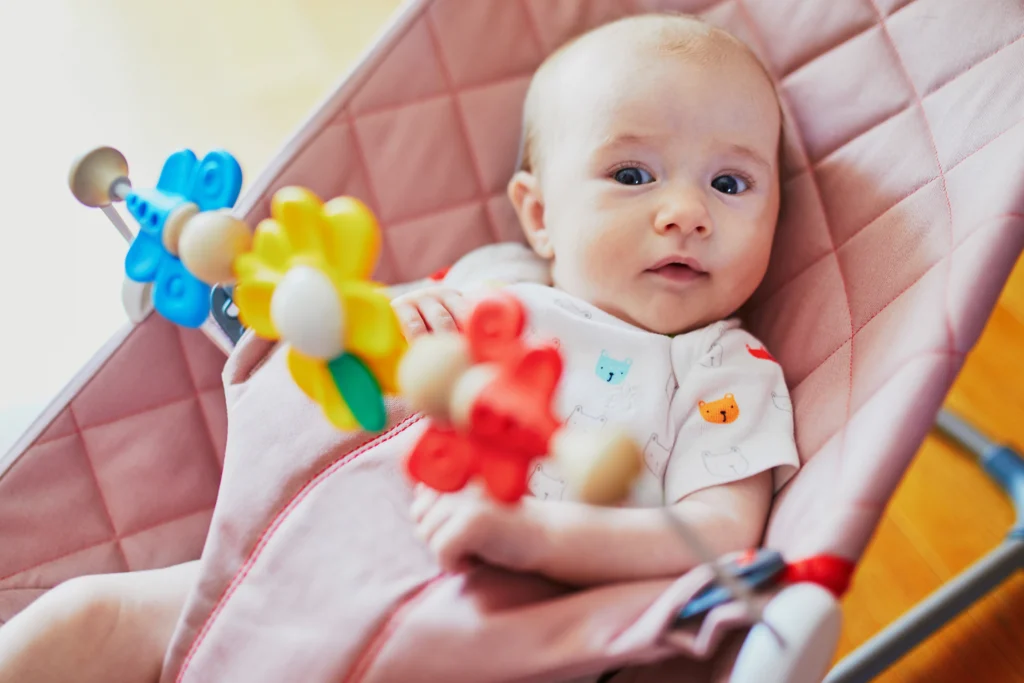
- AIM FOR MIDLINE! I can’t stress this one enough. Imagine a line from the top of your head to the middle of your feet splitting your body into right and left halves. That is ‘midline’, and the importance of midline for your baby’s development can NOT be understated, as it is the very first time we begin to lay the foundation of communication & coordination between the right and left sides of the brain. When positioning baby in a baby container, especially in the early months where their ability to re-adjust themselves in limited, ensuring their head and neck are in midline (as pictured) is SO, so important! To see this tip in action, check out this reel.
- Limit duration of container use to 10-15 minutes at a time. I would set myself a 10 minute timer so that once it went off, I had the reminder to change their position and still had another few minutes to finish up what I was doing!
- Aim to have double the amount of free floor time to baby container time. Ensure you are giving your child plenty of free movement time on the floor on their back, belly and in sidelying on the right and left, all important positions for development that lay the foundation for the exciting milestones to come AND help reduce the development of asymmetries in strength & range of motion and even help disperse pressure on the skull to reduce the development of flat spots and/or even help improve them if they’re present! Tip In Action: My goal is typically for every 10 minutes I put my child in a ‘container’, I aimed to spend at least twice that amount of time on the floor (so 20 minutes throughout the day of free floor time!).
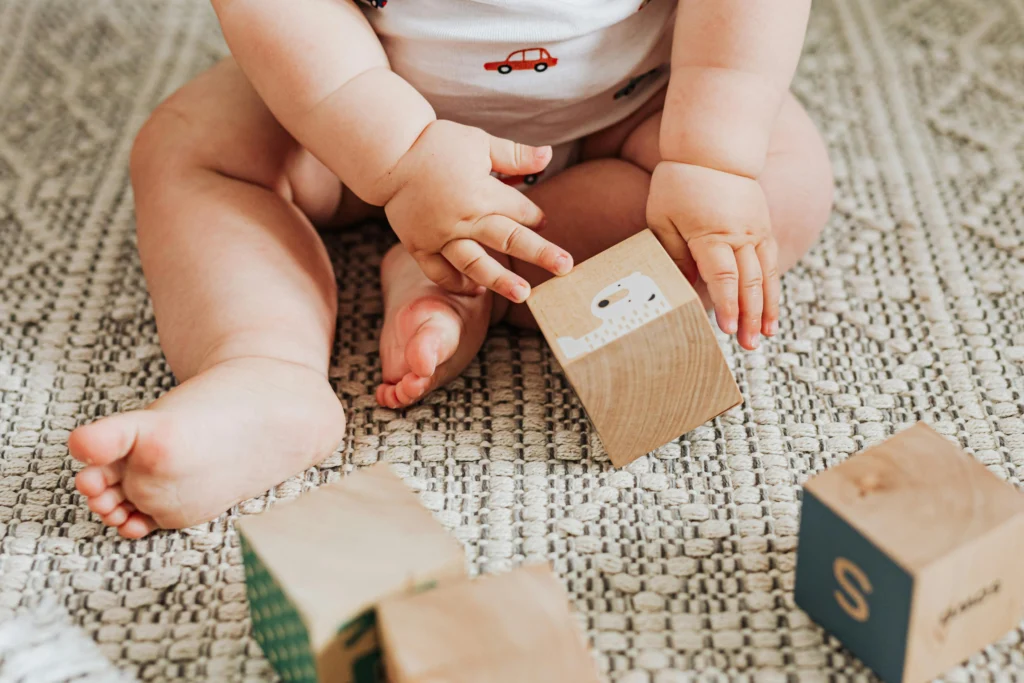
- Avoid putting your baby in positions they are not yet independently doing *when possible. For example, if your child is not yet taking weight through their legs by independently pulling to stand, I would recommend avoiding prolonged supported standing positions in things like exersaucers or stationary play stations. To learn more about the importance of hip development in the first 6 months of life, check out this blog.
- Use towel rolls or other small supports to improve alignment as needed. Aiming for their head & trunk to be in midline, using small supports or towel rolls in various places can be helpful to maintain appropriate & safe positioning and reduce slumping or leaning to one side. Be sure baby remains supervised at all times and that any supports added are not near or able to be pulled near their face. For an example of adding supports to the Sit Me Up to achieve appropriate alignment, see here.
- Be sure they are developmentally ready to be in that position. For example, if you place your child in a bumbo and you notice things like; excessive rounding of their spine, their head is falling forward or tilted to one side, they’re leaning excessively to one side, etc, and their positioning is not easily fixed with a small support as mentioned above, they are likely not ready for that position. You can learn more about sitting container guidelines here, and expected timelines, and readiness signs for sitting here.
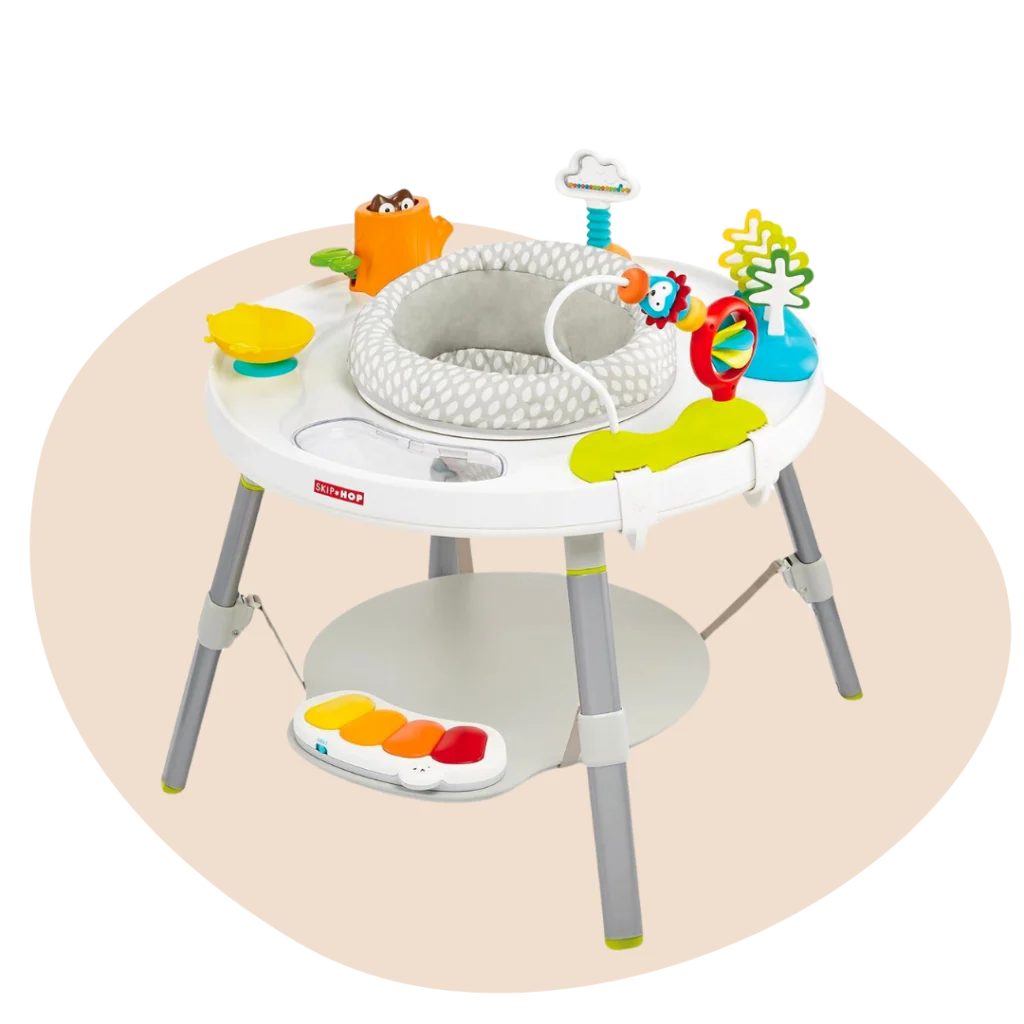
- In containers where your child is in supported standing, ensure your child’s feet are flat. Studies have shown that prolonged tip-toe position may encourage toe walking as children develop and can even delay the development of balance, postural reactions, strength & even the walking milestone. When possible, I also avoid jumpers and sit in walkers – opting for a static exersaucer as an option instead. This SkipHop Exersaucer is the one I used for all of my children & recommend to my patients if they need an option! For more on standing baby containers, including jumpers, walkers & static exersaucers, check out these resources: Standing Container Guidelines, Readiness Signs for Exersaucers
Worth noting, there is a difference between a ‘container’ holding your child in a position they are not doing on their own yet, and actively practicing to assist them in learning a skill.
For example: I would not recommend prolonged use of a bumbo before a child is able to independently sit when placed. However, being able to sit when placed in sitting is an expected milestone that typically comes before a child is able to get themselves into and out of sitting, which means they have to be exposed/have the change to practice! In this case, brief periods of supported sitting can be done using something like a boppy around their waist. This allows them to work on appropriate muscle use and acquiring that milestone while moving freely and learning their body, rather than being strapped into a ‘container’ that holds them in that position.
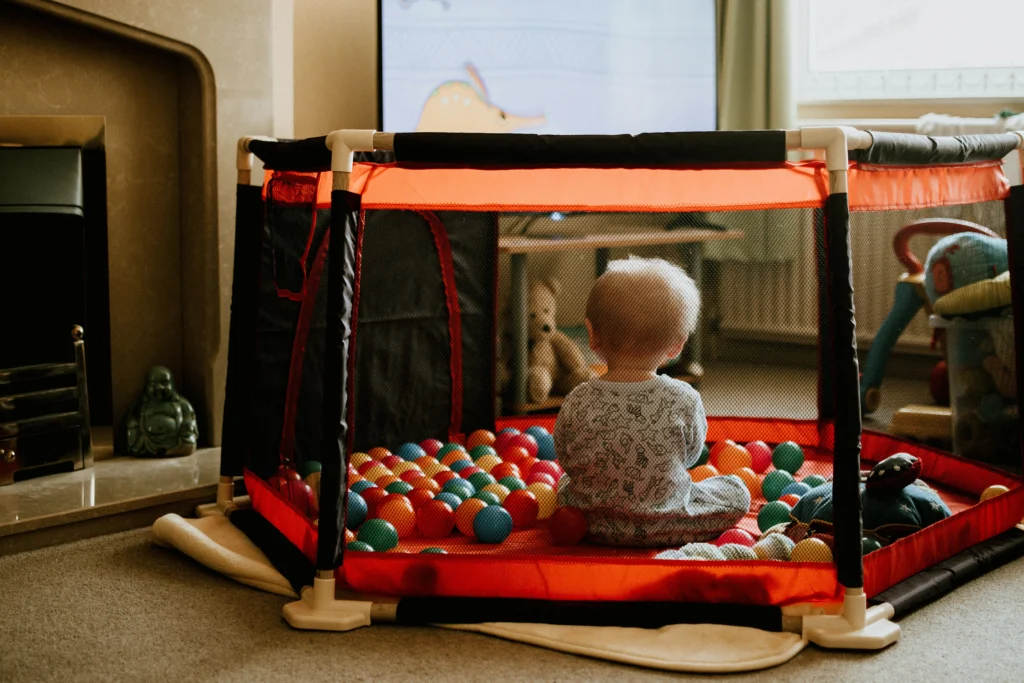
Balancing Convenience and Developmental Needs
The Baby Containers I Recommend & Alternatives to Prolonged Container Use
As a reminder, you don’t NEED containers if you want to choose to parent without them (more power to ya!) And despite it being a common statement – baby containers will NOT “teach” your child a skill, BUT if you do want or need to use baby containers with your children, these are the containers I’ve personally used & loved!
The use of these containers should be supervised at all times.
To check out a round up of all my picks in one spot, check this out. And for a quick rundown of which baby containers are an absolute no for me, check out this video!
Containers I Recommend (and have used for my own kids!)
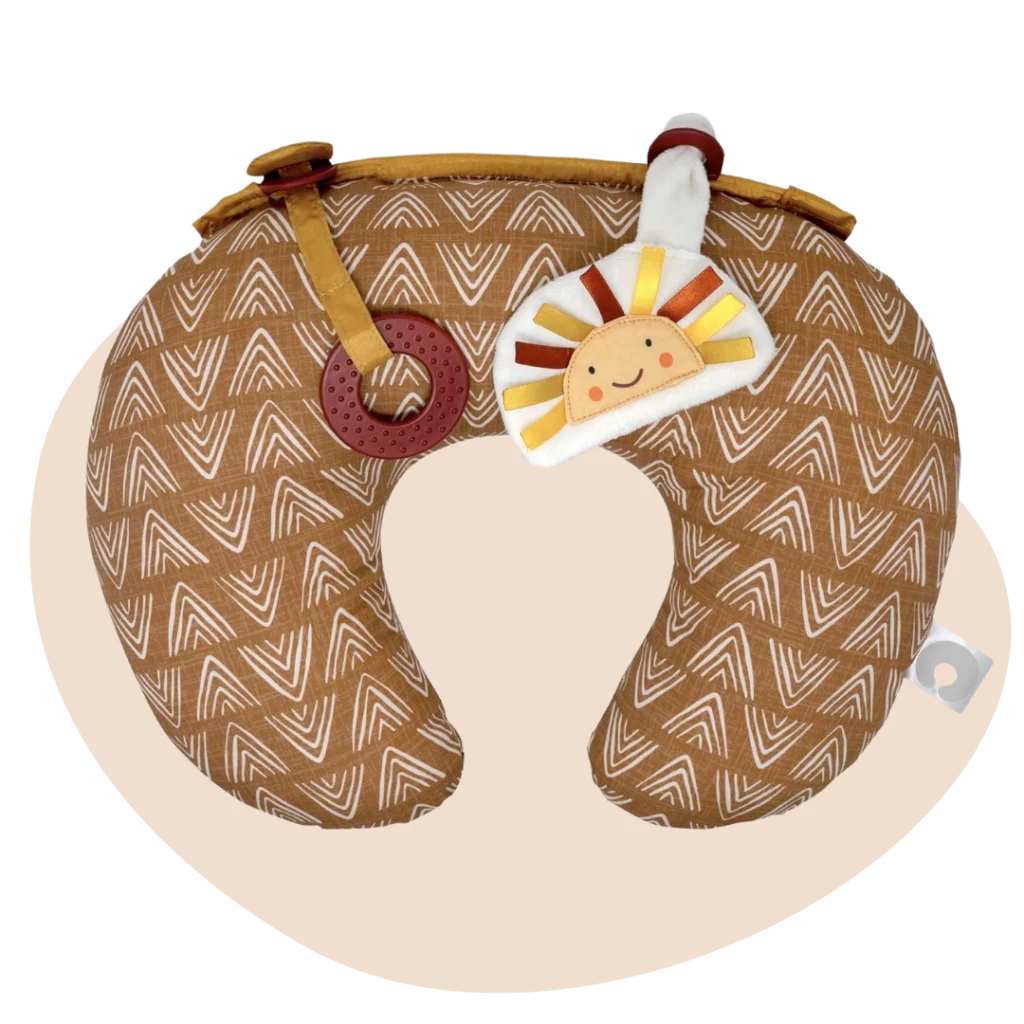
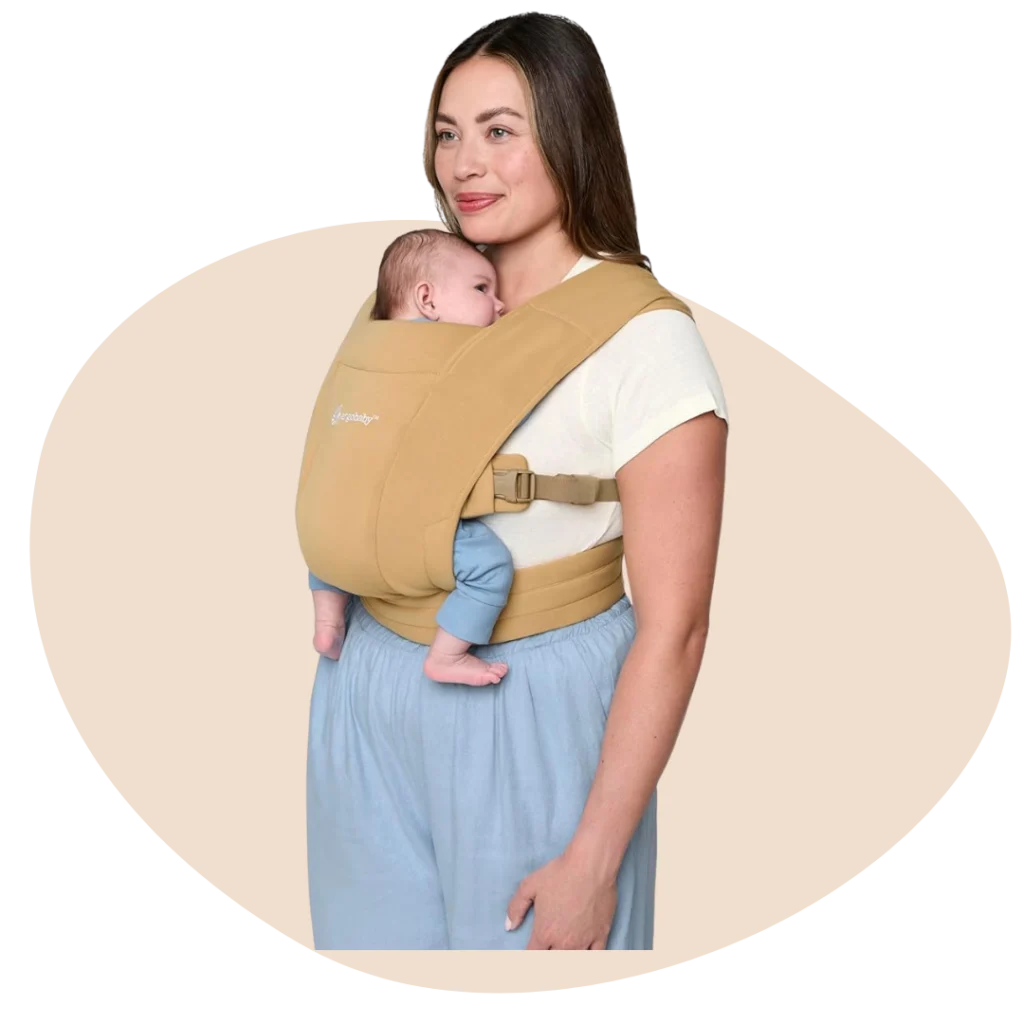
In the early months (prior to any signs of rolling), I use the Mini Boppy & baby wear. I typically rotate wake windows between being on their back, belly, & sidelying. This is to change pressure on the head, encourage gentle hands towards midline, & allow their hips to be in the newborn curl position when on their belly.
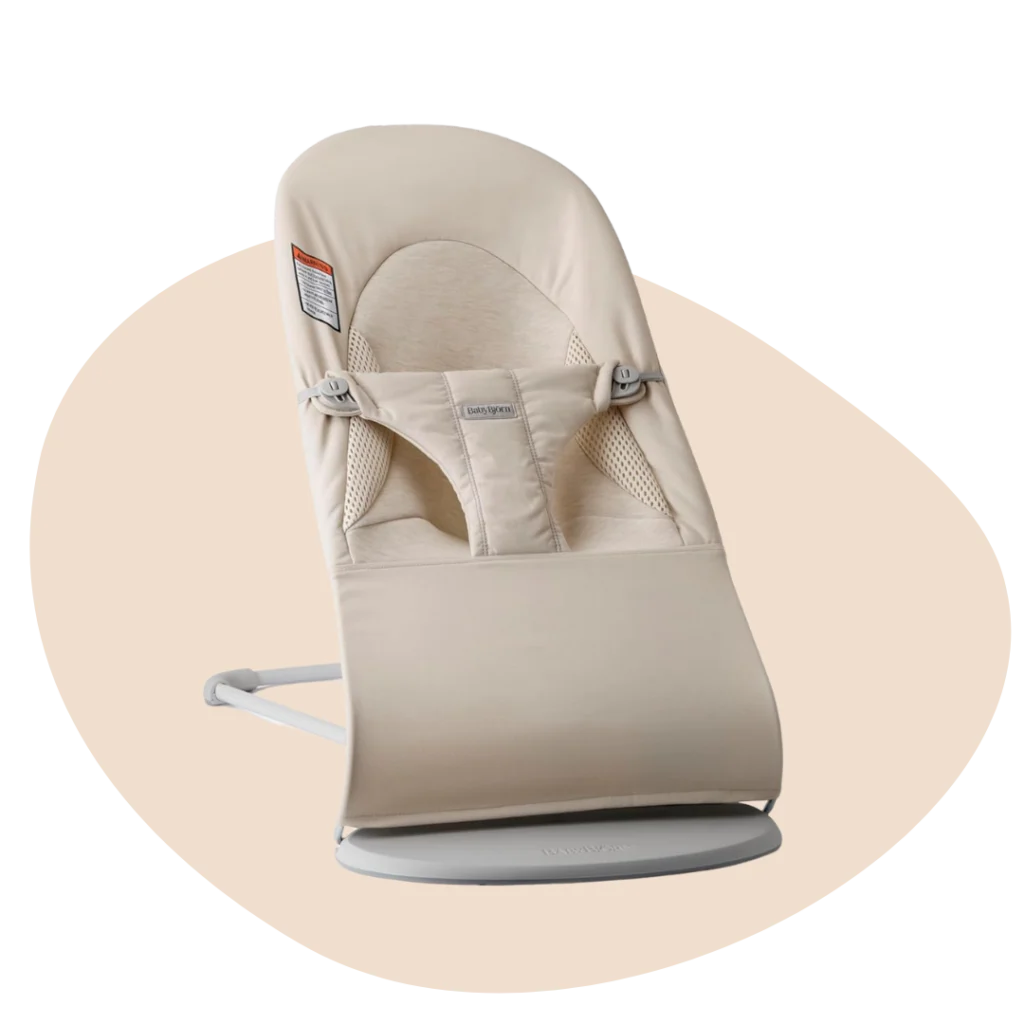
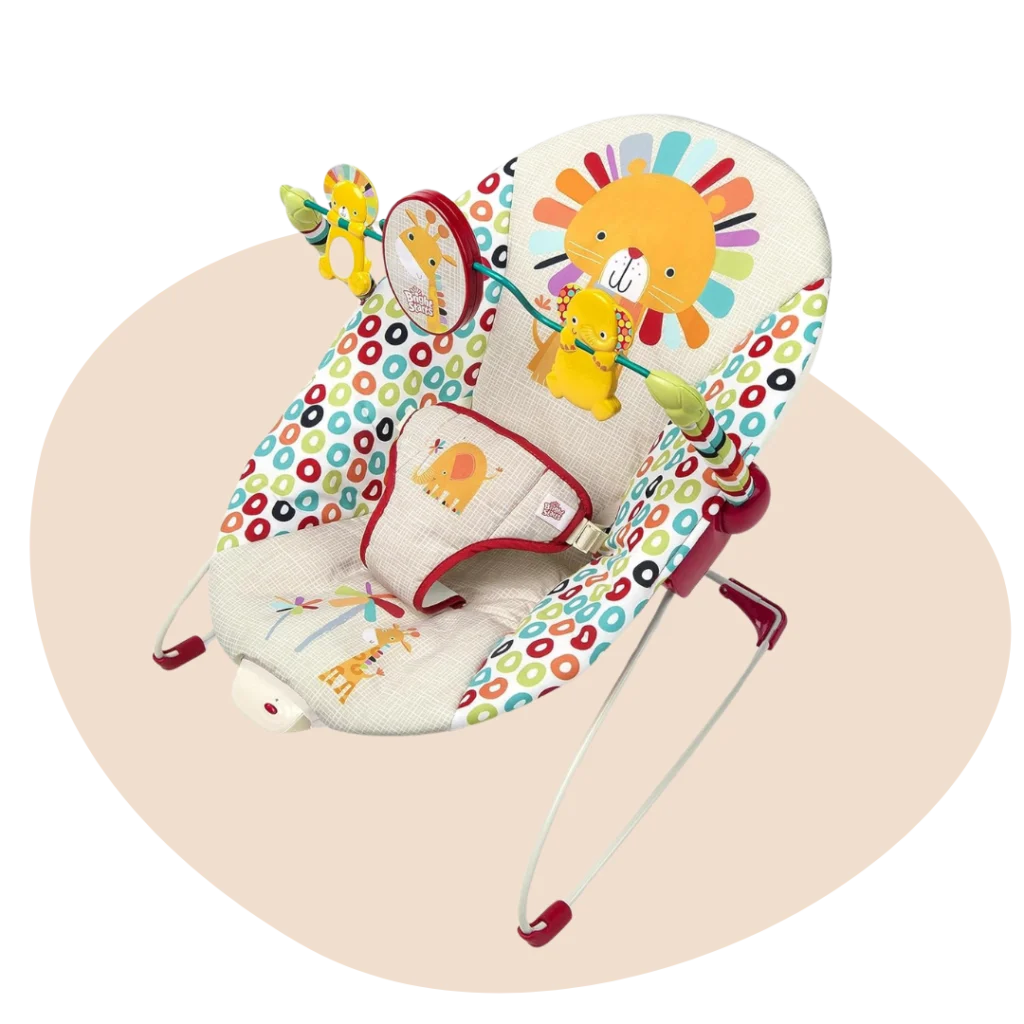
Once they’re out of the newborn lounger stage, I move to a baby bjorne or something similar (like this). I personally like the baby bjorne seat because you can play with the angles in situations like reflux AND it can be reversed and used as a toddler seat when they are bigger!
I don’t personally like the Sit-Me-Up, and I definitely avoid the Infant Bumbo.
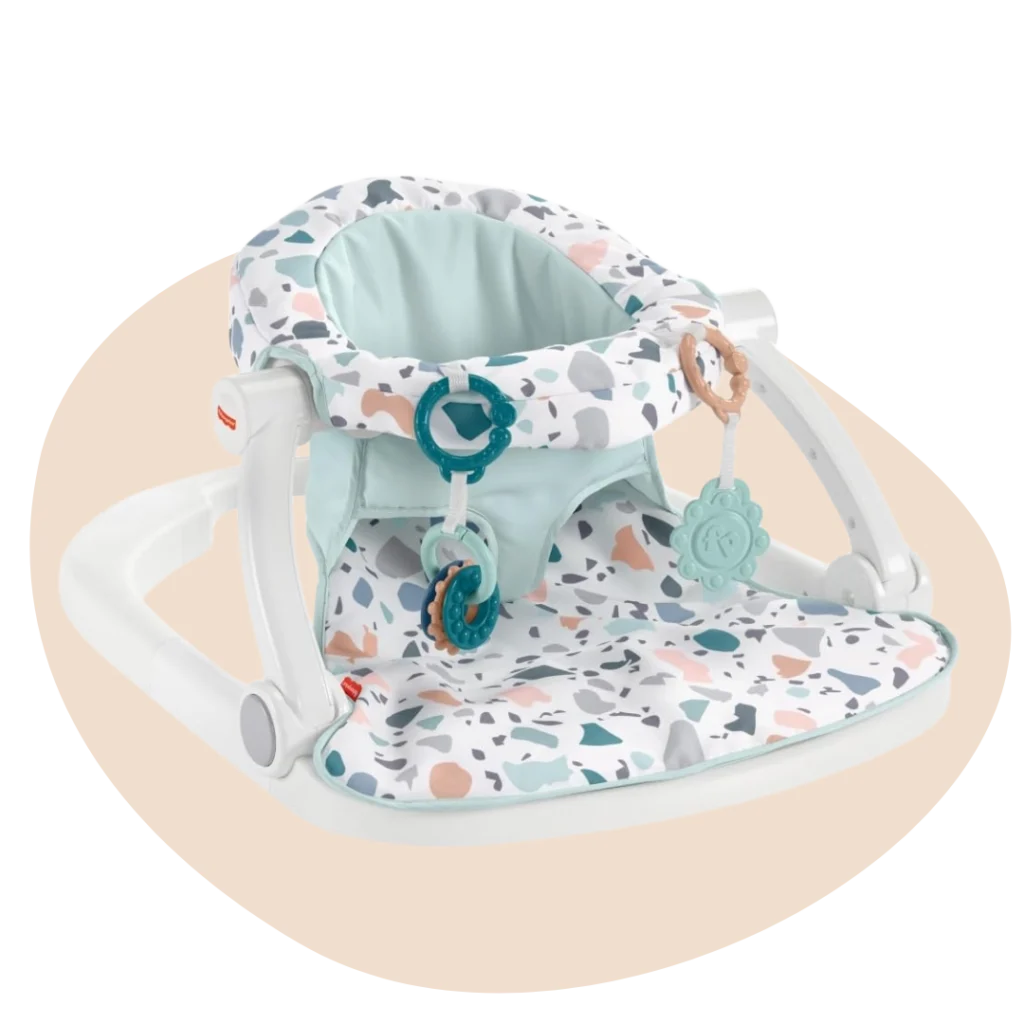
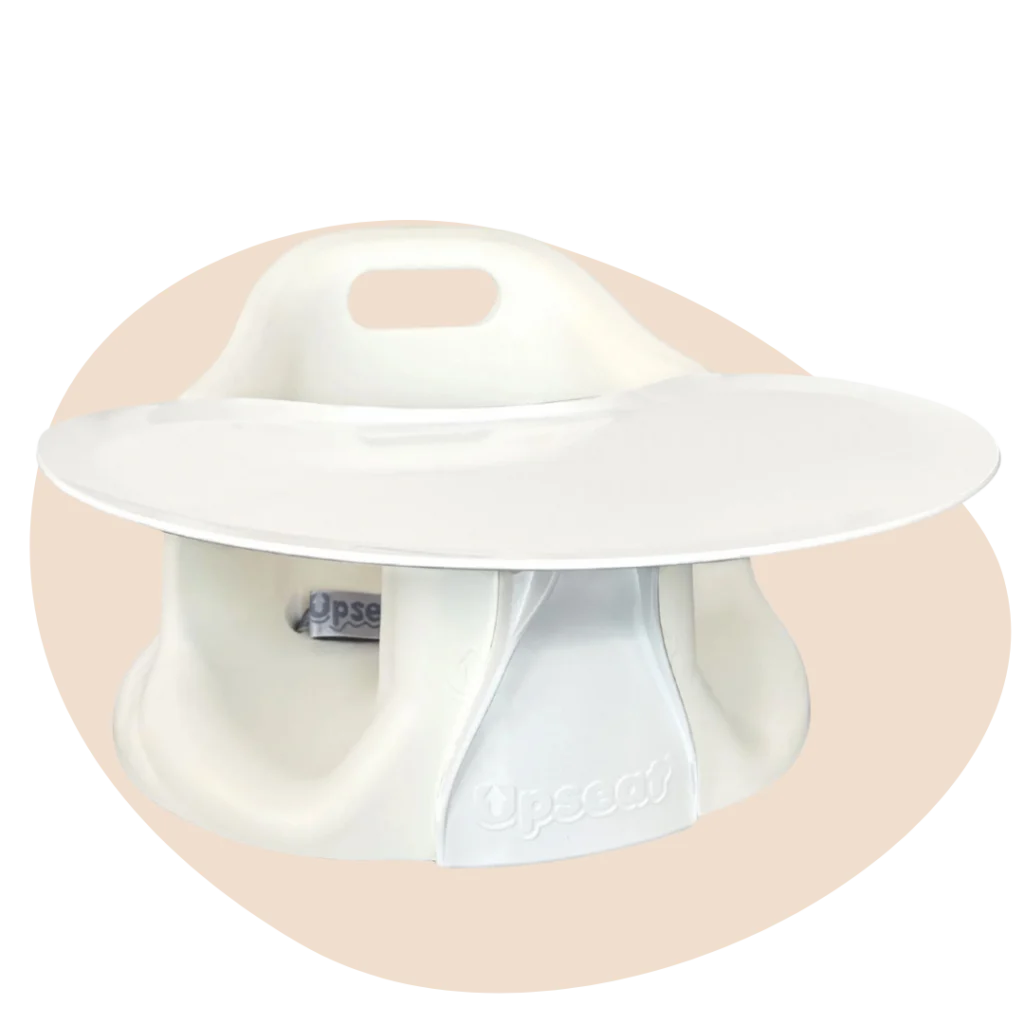
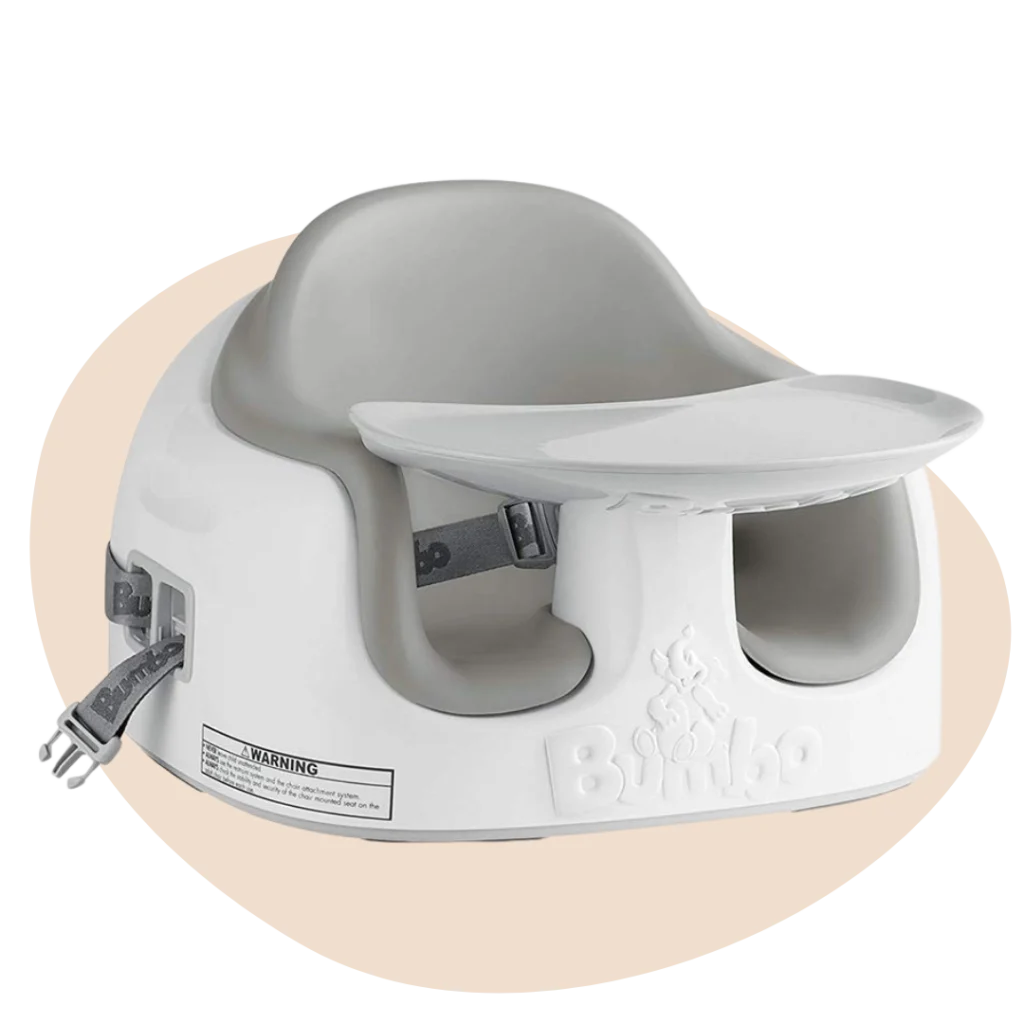
Around 6 months of age, many babies will be working on rolling and may be ready to start brief periods of sitting practice. Seated containers like; the Sit-Me-Up, Upseat, Bumbo Multi-Seat (NOT the original infant floor seat bumbo, as it promotes a poor pelvis and spine position that makes it VERY hard to hold your head up appropriately!) or even a larger Boppy pillow, can be good options for sitting containers.
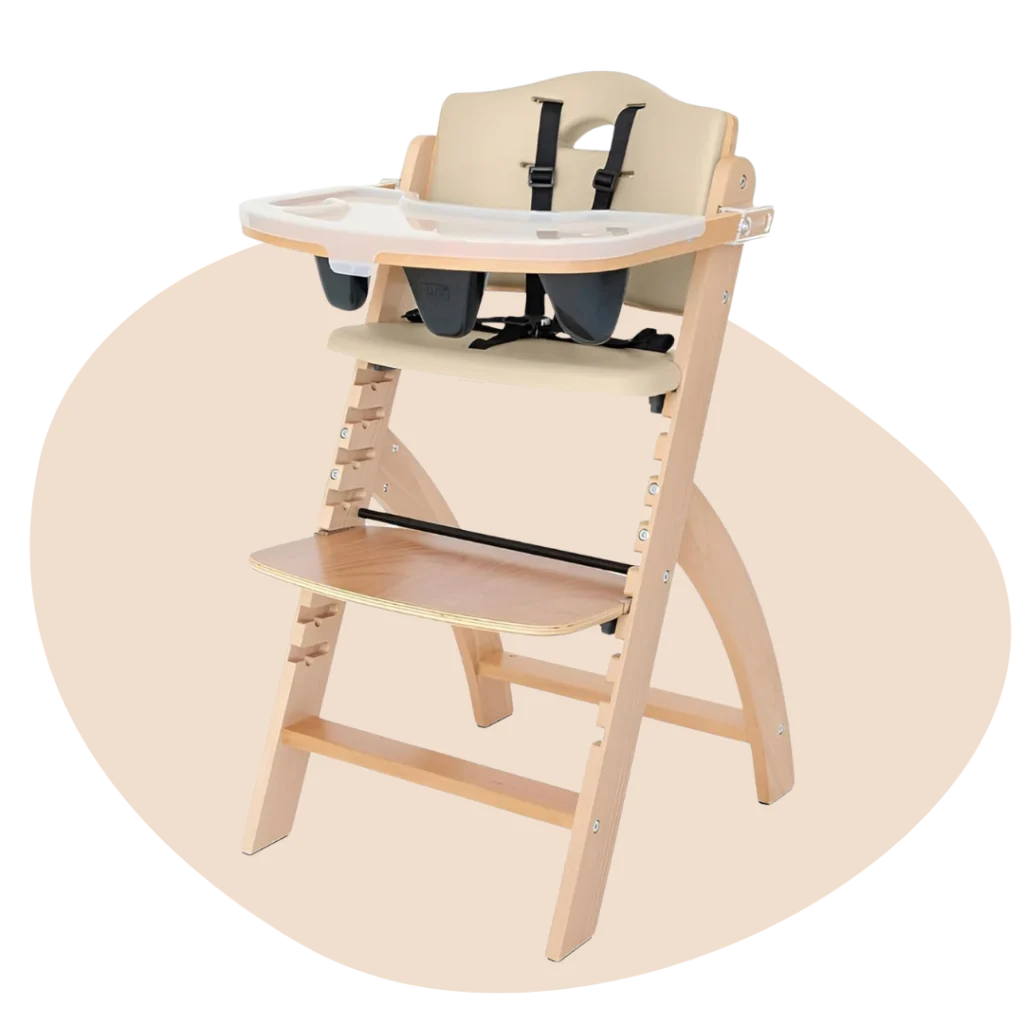
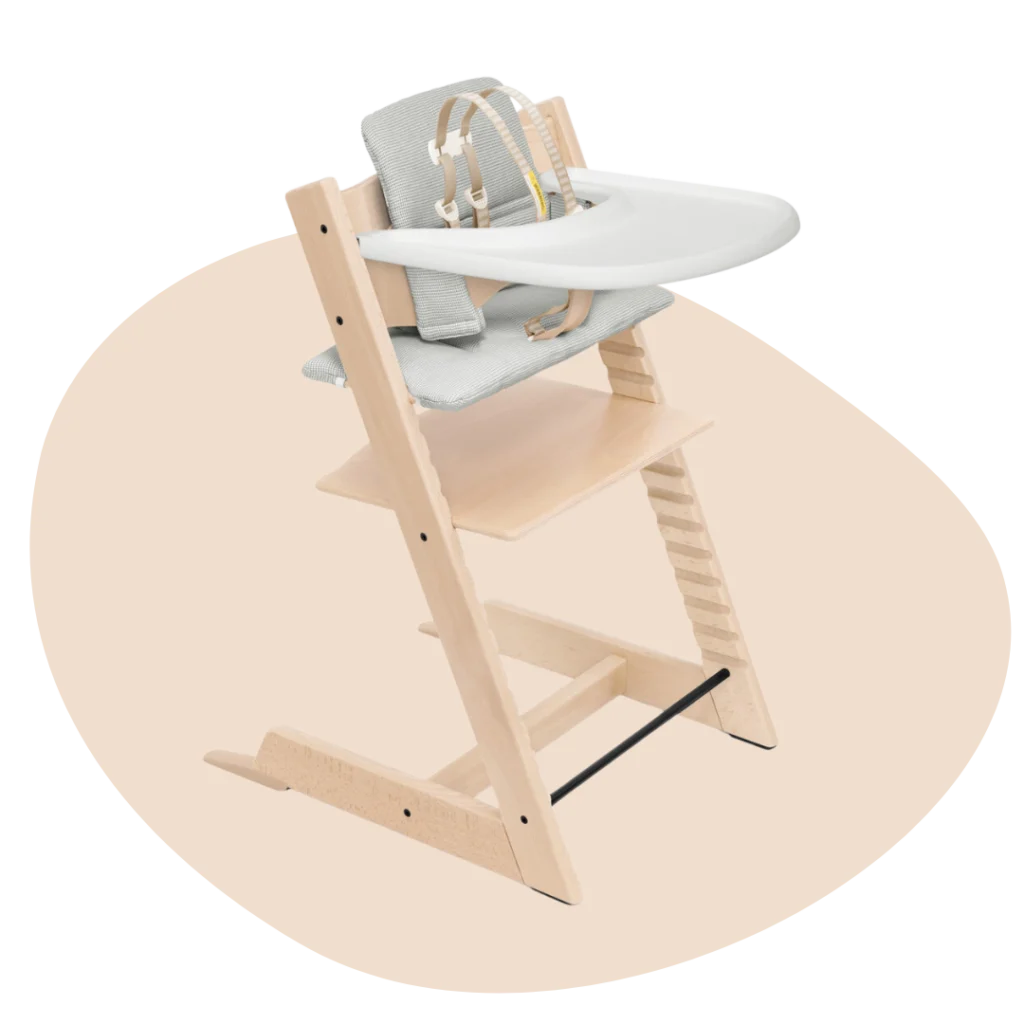
For highchairs I love the Stokke TrippTrapp, especially for children that need modifications for positioning as it allows LOTS of adjustments to be made. For a similar look at a very different price point (though there are less options for add ones/modifications for support), I also love the Abiie Baby highchair. I also find the IKEA Antilop chair to be a good, budget friendly option, though it does typically need some supports added (see this reel for more!). For portable, travel friendly & small space options, check out this blog.
Once they’re ready, I use the Skip Hop static exersaucer. I love this one because it’s very stable, easily modifiable to achieve a good position, AND it turns into a table so you can use it for years to come with your kids!
Reminder: The goal *when possible* is to avoid prolonged standing container use until AT LEAST 6 months, when hip dysplasia risk generally decreases significantly.
Alternatives To Baby Container Use
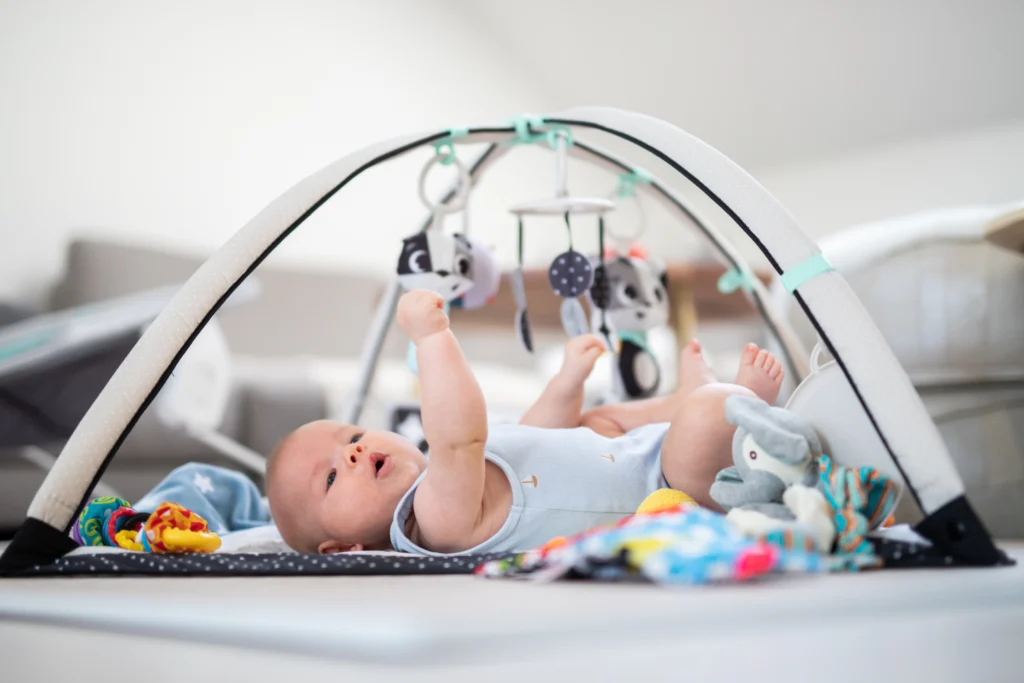
Whether you’re choosing to avoid baby containers entirely, are going to be using them in moderation, or aren’t quite sure yet – the reality is that you’ll need a safe space to put baby down for floor time. And if you have animals, older children, or areas that are hard to baby proof appropriately, you likely need more than just a blanket on the floor, so here are some baby container alternative options!
In the early months when they are smaller & less mobile, pack & plays and/or their cribs can be a great option for a safe spot to lay baby for a few minutes. Baby play-yards are another GREAT option, especially as baby begins to move & explore more. A few of my favorite playyards can be found here. And lastly, a good ol’blanket on the floor with a baby gate around it like this can be great!
Baby Container Use & Daycare
When it comes to the baby container conversation, how to navigate use at daycare is by far one of the most common questions I get. So, I’ve rounded up all my top tips for navigating daycare & baby containers here for you!
Final Thoughts from a Pediatric PT & Mom of 3
A final thought on baby containers & a reminder if you’re in the thick of it – the marketing around baby containers is SO strong! With tons of beautiful options & commentary that often makes you feel like you NEED all the things, it can be hard to remember that everything your baby truly needs is already at your fingertips. While I absolutely think baby container use is necessary at times (at least it was for me!) and that baby containers can be used safely in moderation in a way that does NOT impact development…..a blanket on the floor and your loving interaction with them through talking, singing, and smiling is all they truly need! You got this!
Looking for Milestone Support?
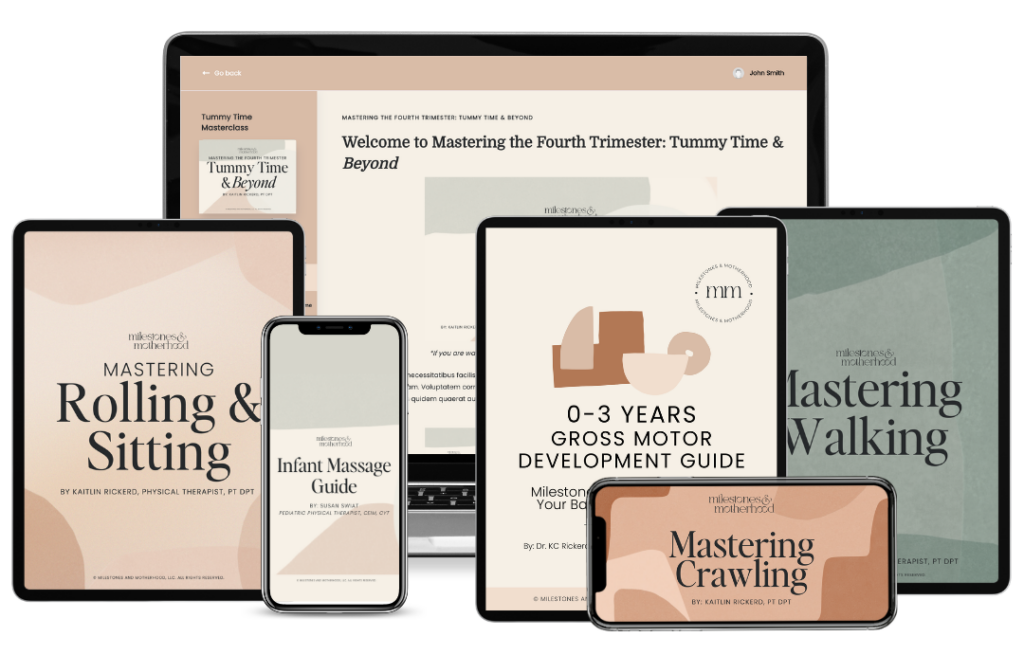
For developmental questions, tips and guidance related to milestones about tummy time, rolling & sitting, crawling and walking, check out KC’s developmental Masterclasses linked here.
Was this helpful? Save it for later!