


May 11, 2022
Top 5 Tips for Set Up of Toileting

Some of the links on this page may be affiliate links. That means, I get a small commission if you purchase through this link. However I make it a point to only share items that I truly love, use, or check all my boxes!
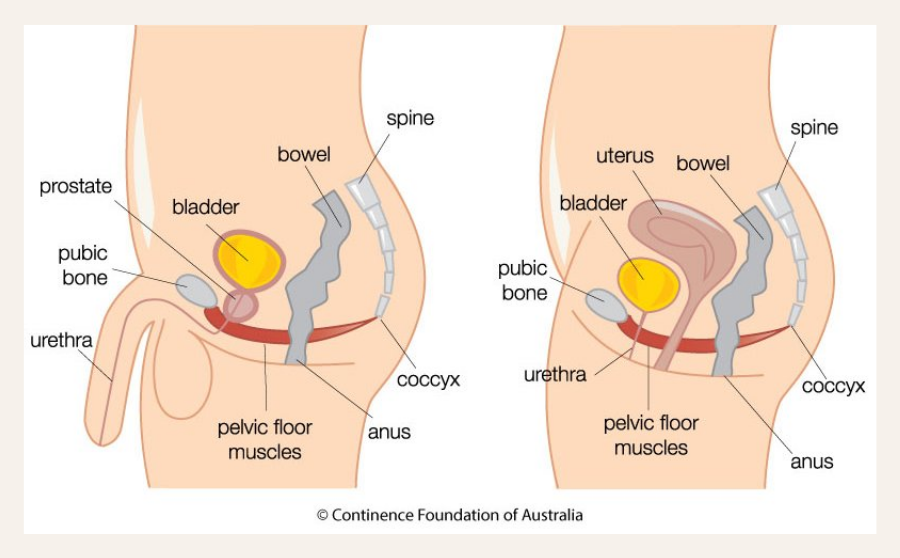
First, let’s discuss bladder control. Bladder control typically develops by age 4.
-
Awareness of bladder sensation and control starts in year 1 and 2
-
Voluntary control of pelvic muscles occurs by age 3
Bladder control will present as dryness for 2 hours with a typical voiding frequency of 4-8 times per day. Please know that daytime continence (dryness) precedes nighttime continence by 10 months. Therefore, we need to be dry during the day to expect to be dry at night!
Now, let’s explain what the pelvic floor muscles are and how they function. Think of the pelvic muscles as a trampoline. There is always some tension in the muscles to hold up our pelvic organs! When we urinate or have a bowel movement (poop), the muscles drop down (trampoline moves closer to the ground) in order for our tubes to open. When we cough/laugh/sneeze, run, and exercise our pelvic floor muscles move up (trampoline moves away from ground) in order to keep the tubes shut.
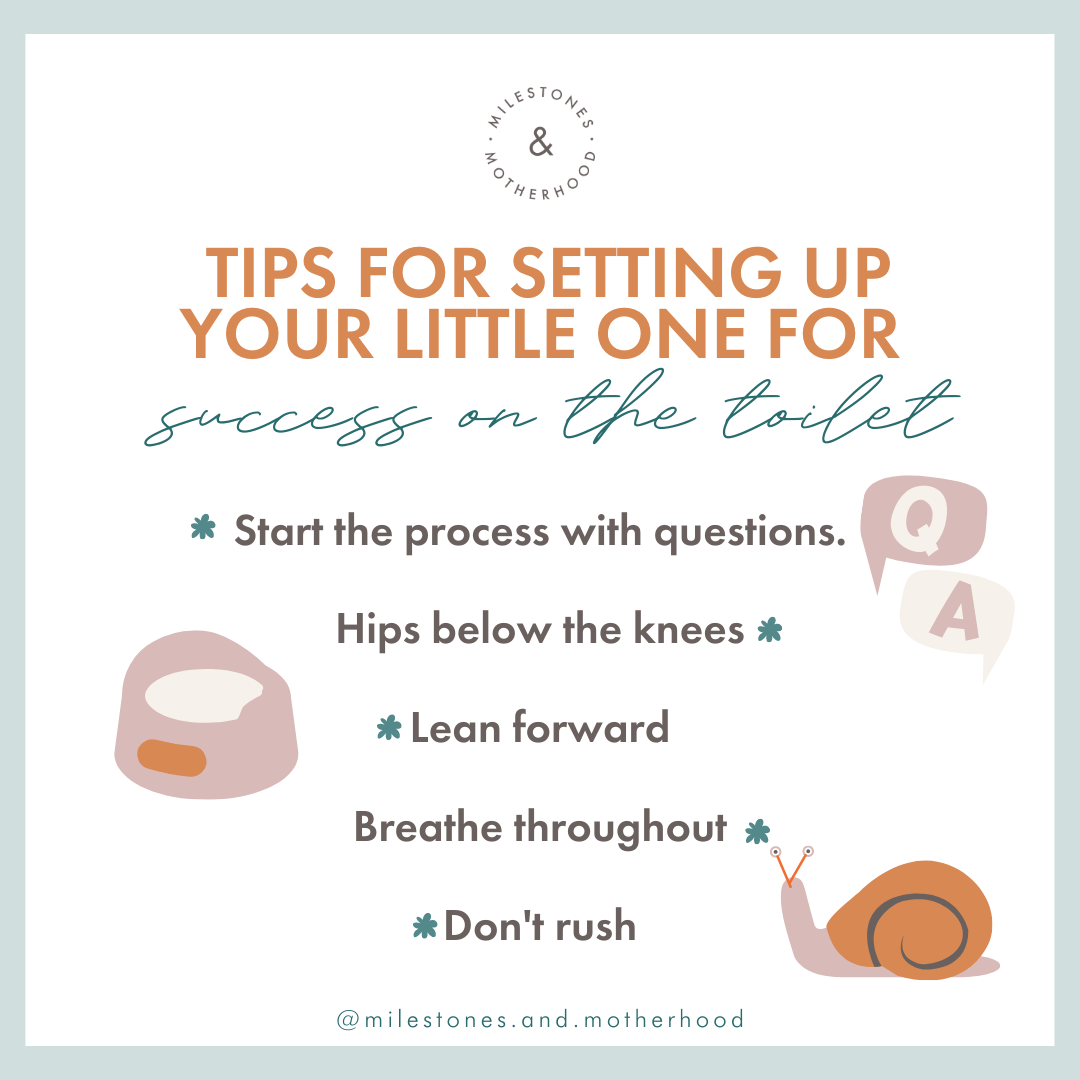
So now knowing how everything works, here are tips for setting up your little one for success on the toilet:
1. Starting the Process
Ask your child: “what do you feel?” The answer doesn’t matter as much as you think! This question helps your little one figure out their body and the recognition of urges. When asked, “do you have an urge?” they might not understand yet what this question means. Also, nonverbal children may express the urge to go with behavioral signs, being aware of this helps bathroom communication.
2. Hips Below Knees
This will help the pelvic floor muscles relax, because when we sit up straight those muscles are designed to be tight so we don’t leak. Think about how our ancestors went to the bathroom before modern toilets – they squatted 🙂 Achieving this position is easy with feet on stool.
3. Leaning Forward
Similar to squatting, this movement encourages further relaxation of pelvic muscles to allow for minimizing strain with evacuation.
4. Breathe Throughout
Holding your breath forces urination or bowel movements through increased abdominal pressure – which can lead to problems down the road. Our pelvic muscles should drop to allow urine or stool to come out. Breathing throughout allows that process to occur without straining or holding your breath.
5. Don’t Rush
As we talked about above, the pelvic floor muscles need to drop (or relax) in order to allow our tubes to open for urinating and popping. If we don’t give our body adequate time to relax, then we might not fully empty – which can lead to other symptoms like frequency.
References: Sillen et al 2000, Rushton 1995
Want More?
For developmental questions, tips and guidance related to milestones about tummy time, rolling & sitting, crawling and walking, check out KC’s developmental Masterclasses linked here.
Was this helpful? Save it for later!

KC is a pediatric doctor of physical therapy, wife and mom of three! She has spent her career working with children and young adults of all ability levels, and currently specializes in birth to three years.