


June 2, 2022
What to Expect at a Pediatric Pelvic Floor Therapy Appointment

Some of the links on this page may be affiliate links. That means, I get a small commission if you purchase through this link. However I make it a point to only share items that I truly love, use, or check all my boxes!
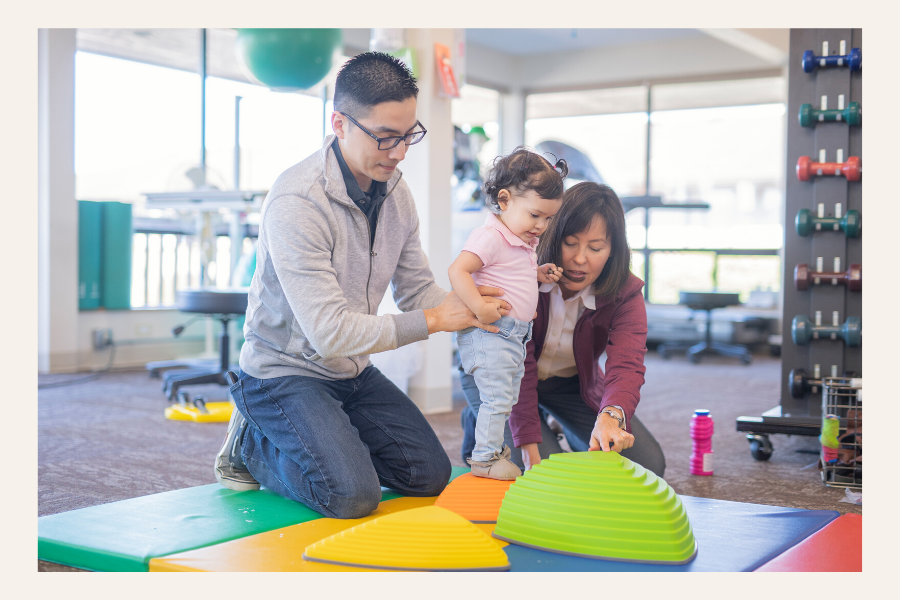
Congrats! You set up a therapy appointment and you are on your way to getting help for your little one’s muscles. Your therapist will be a physical or occupational therapist trained in treating the pelvic floor – with additional training for pediatrics.
Your therapist will start the appointment with obtaining a thorough history about bladder and bowel habits as well as information on hydration, diet, and exercise. This helps your therapist learn about you and create a treatment plan for addressing your little’s symptoms.
Next, your therapist will ask if you and your child are comfortable with a pelvic muscle examination – the therapist will look at the pelvic muscles externally or use something called biofeedback to determine if your muscles are coordinated. They will also look at strength in other areas (core/hip) and assess for any tightness.
How long a therapist sees you depends on the symptoms and history. Typically, a therapist might see you one time a week and taper out visits as symptoms improve. As your little one grows and their body changes, you may have to revisit the tips, tricks, and exercises learned in therapy!
You can find a pelvic floor specialist at https://pelvicrehab.com/. There are pediatric providers on this site, but if you have questions about finding a specific pediatric pelvic floor therapist near you – please reach out! There is also a book, Pelvic PT for Me, written for children to help them understand what to expect at a PT appointment!
Want More?
For developmental questions, tips and guidance related to milestones about tummy time, rolling & sitting, crawling and walking, check out KC’s developmental Masterclasses linked here.
Was this helpful? Save it for later!


KC is a pediatric doctor of physical therapy, wife and mom of three! She has spent her career working with children and young adults of all ability levels, and currently specializes in birth to three years.